Creating a home office that strikes the right balance between cosy and productive can transform your workdays. With many people spending more time working remotely, having a space designed to boost focus while offering comfort is essential. Here, we share practical tips to help you craft a home office that suits your needs and energises your work routine.
Choose the Right Location
Where you place your home office can have a big impact on your productivity and mood.
– Pick a quiet spot: Select a part of your home that’s away from noisy areas like the kitchen or living room. This helps minimise distractions.
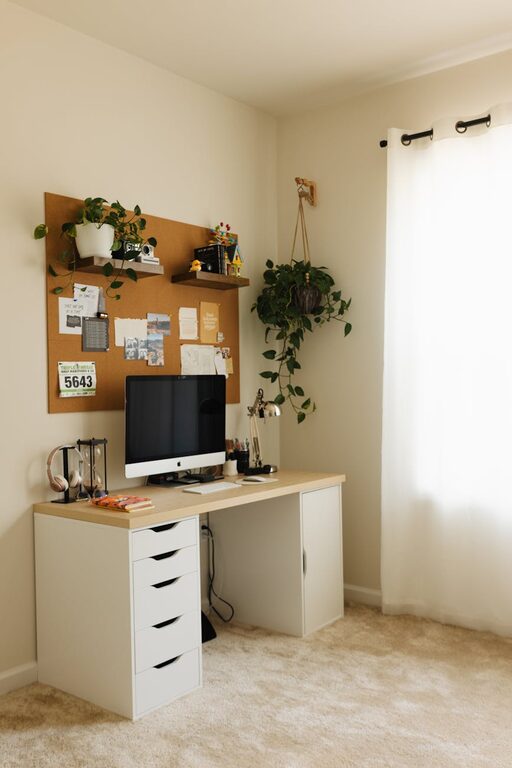
– Natural light matters: Try to position your desk near a window. Natural light improves your mood and reduces eye strain.
– Consider your space: Your office doesn’t have to be large, but it should comfortably fit your desk, chair, and any essential equipment without feeling cramped.
Invest in Comfortable Furniture
Your comfort directly affects how well you work.
– Ergonomic chair: A supportive, adjustable chair reduces back pain and keeps you comfortable during long hours.
– Appropriate desk: Choose a desk that fits your work style, whether it’s a traditional desk, a standing desk, or a compact workstation.
– Adjustable setup: If possible, set up adjustable monitor stands and keyboard trays to maintain good posture.
Create Good Lighting
Lighting is key to a cosy and productive environment.
– Blend natural and artificial light: Use daylight where possible, supplemented by warm, adjustable lamps for evenings.
– Avoid glare: Position screens and light sources carefully to prevent reflection and eye strain.
– Consider a desk lamp: A dedicated desk lamp with brightness controls helps when working on detailed tasks.
Keep Organised and Clutter-Free
A tidy workspace supports focus and relaxation.
– Use storage solutions: Shelves, drawers, and baskets help keep papers and tools organised.
– Declutter regularly: Make it a habit to clear your desk daily to maintain a neat and inviting space.
– Limit personal items: A few meaningful decorations or plants can enhance cosiness without causing distractions.
Personalise Your Space
Adding personal touches makes your office inviting.
– Incorporate colours you love: Use cushions, artwork, or rugs in colours that calm and inspire you.
– Add greenery: Houseplants improve air quality and create a calming atmosphere.
– Display inspiring quotes or images: Motivational elements can keep you focused and uplift your spirits.
Manage Noise Levels
Sound can either help concentration or disrupt it.
– Use noise-cancelling headphones: These are great if your surroundings are loud or unpredictable.
– Background music: Some people find soft instrumental music or ambient sounds improve concentration.
– Soundproofing strategies: Consider rugs, curtains, or acoustic panels to soften noise if possible.
Set Clear Boundaries
Maintaining work-life balance is easier with clear boundaries.
– Separate work and leisure areas: Try to avoid working on your bed or in shared family spaces.
– Set office hours: Having a schedule helps switch your brain between work and relaxation.
– Communicate with household members: Let others know when you shouldn’t be disturbed.
Optimise Technology and Connectivity
Reliable tech supports smooth workflow.
– Invest in good equipment: A fast computer, high-quality headphones, and a responsive mouse can make work easier.
– Reliable internet connection: Ensure your internet speed is sufficient for video calls and cloud work.
– Cable management: Keep cables tidy and out of the way with clips or sleeves to prevent distractions.
Take Breaks and Move
Even the perfect office can’t replace healthy work habits.
– Follow the 20-20-20 rule: Every 20 minutes, look at something 20 feet away for 20 seconds to reduce eye strain.
– Schedule movement: Stand up, stretch, or take short walks regularly to keep energy levels high.
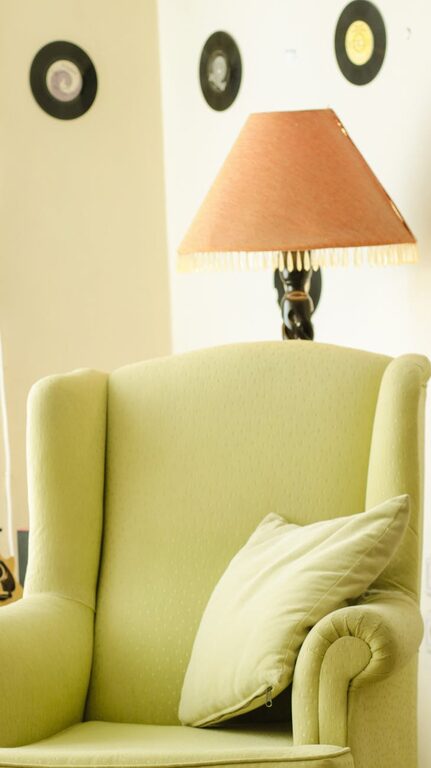
– Create a relaxing corner: If space allows, have a comfy chair or cushion for breaks and moments of rest.
—
Designing a home office is about creating a place where you feel comfortable and can work effectively. By considering location, furniture, lighting, organisation, and personal touches, you can build a space that supports your wellbeing and productivity. Remember, the best home office reflects your unique style and work habits, making it a space you look forward to using every day.
About the Author