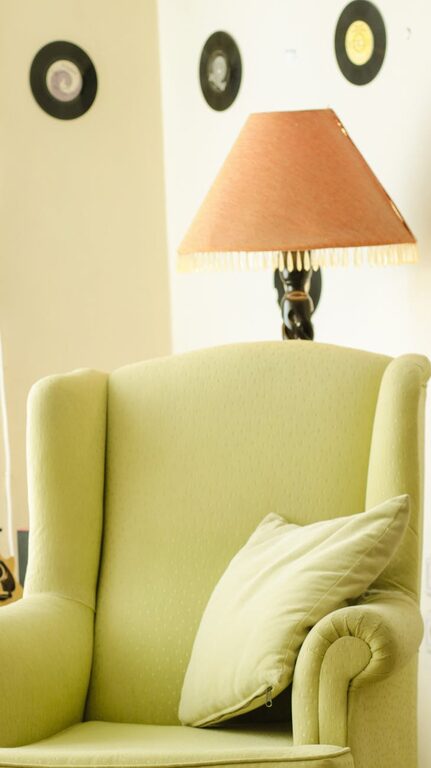
Working from home has become a permanent part of many people’s routines, and creating a relaxing home office environment is key to staying productive and maintaining wellbeing. A cluttered, noisy, or uncomfortable workspace can lead to stress and distraction, while a well-designed office can boost focus and foster a sense of calm. This post will guide you through practical tips to transform your home office into a place where you can work efficiently and feel relaxed.
Choose the Right Location
Selecting the best spot for your home office is the first step.
– Natural Light: Try to position your desk near a window. Natural light helps regulate your body clock and improves mood and energy levels.
– Quiet Area: Pick a room or corner with minimal noise and foot traffic to help maintain concentration.
– Separate from Living Spaces: If possible, avoid setting up your office in high-traffic or relaxing areas like the bedroom or living room, which can blur the line between work and rest.
Invest in Comfortable and Functional Furniture
Comfort supports both productivity and wellbeing.
– Ergonomic Chair: Choose a chair that supports your lower back and encourages good posture.
– Appropriate Desk Height: Your desk should allow your arms to rest comfortably at a right angle while typing.
– Adjustable Elements: Consider desks or chairs that can be adjusted for sitting and standing to reduce fatigue over long periods.
Keep Your Space Organised and Clutter-Free
Clutter can create mental chaos and distract from work.
– Storage Solutions: Use shelves, drawers, or storage boxes to keep documents and supplies tidy.
– Daily Declutter: Spend a few minutes at the end of each day organising your desk.
– Minimalist Approach: Keep only essentials on your desk to decrease visual distractions.
Use Soothing Colours and Decor
The aesthetics of your workspace affect your mood.
– Calming Colours: Soft greens, blues, or neutral shades help create a serene environment.
– Personal Touches: Add a plant, artwork, or meaningful items that make you feel comfortable but avoid overcrowding the space.
– Avoid Overstimulation: Stay away from bright, harsh colours that might increase stress or disrupt focus.
Control Lighting and Screen Glare
Proper lighting protects your eyes and helps maintain alertness.
– Adjustable Lighting: Use a desk lamp with adjustable brightness to supplement natural light.
– Position Screens Wisely: To avoid screen glare, position monitors perpendicular to windows or use blinds.
– Consider Blue Light Filters: Software or screen protectors can reduce eye strain from prolonged screen time.
Incorporate Relaxation Elements
A relaxing environment doesn’t mean only work – it should allow breaks that rejuvenate you.
– Break Area: If possible, create a small corner with a comfortable chair or cushion for short rest breaks.
– Soft Background Music: Gentle instrumental music or nature sounds can enhance focus for some people.
– Aromatherapy: Using a diffuser with calming scents like lavender or eucalyptus may help reduce stress.
Establish Clear Boundaries and Routines
Maintaining boundaries is essential for wellbeing when working from home.
– Set Working Hours: Stick to a schedule to avoid overworking.
– Signal Work Time: Use visual cues like closing the office door or wearing headphones to indicate focus time.
– Take Regular Breaks: Use techniques like the Pomodoro method — work for 25 minutes, then take a 5-minute break.
Prioritise Air Quality and Temperature
A fresh and comfortable environment supports brain function and health.
– Ventilation: Open windows regularly to let in fresh air.
– Houseplants: Some plants improve air quality and add a natural element to your workspace.
– Temperature Control: Ensure the room is neither too hot nor too cold to keep your concentration steady.
Use Technology Wisely
Technology should streamline your work, not hinder it.
– Cable Management: Use clips or sleeves to keep cords organised and prevent tangling.
– Quality Equipment: Invest in a reliable internet connection, good-quality webcam, headphones, and keyboard to reduce frustrations.
– Digital Organisation: Keep your files and emails organised with folders and filters to save time.
—
Creating a relaxing home office environment is about balance — blending functionality with comfort to support your productivity and wellbeing. Even small changes can make a big difference in how you feel and work each day. Try incorporating some of these tips and observe how your home office evolves into a space that motivates you while helping you stay calm and focused.
About the Author