
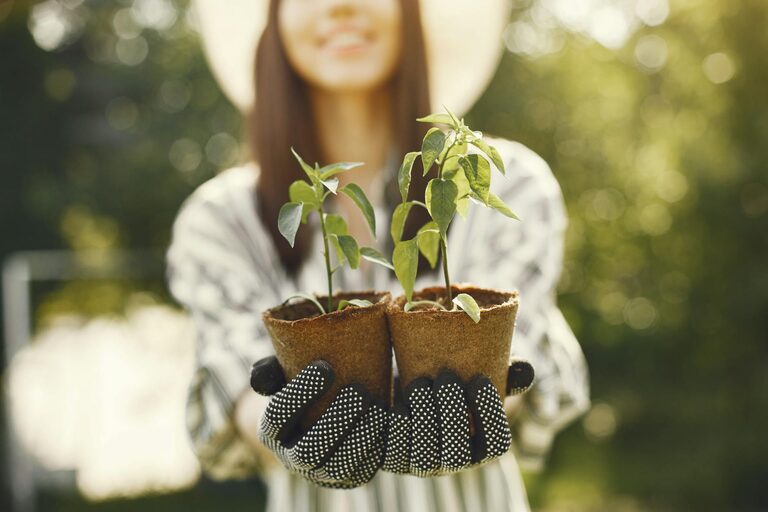
Creating a home garden that is both sustainable and enjoyable throughout the year can be a deeply rewarding experience. With thoughtful planning and a few practical tips, you can cultivate a garden that not only flourishes in every season but also respects the environment and supports local wildlife. Whether you have a large backyard or a small balcony, these ideas will help you maintain a thriving garden all year long.
Planning Your Sustainable Garden
Before planting your first seed, it’s important to have a clear plan that suits your space, climate, and lifestyle.
Assess Your Space and Soil
Begin by observing your gardening area:
– How much sunlight does it receive daily? Some plants thrive in full sun while others prefer shade.
– What type of soil do you have? Sandy, clay, or loamy soil each require different care.
– Consider using a soil test kit to understand pH and nutrient levels.
Improving soil quality naturally with compost or organic matter helps plants grow strong without relying on chemicals.
Choose Native and Seasonal Plants
Plants that are native to your region are usually more resilient and need less water and fertiliser. Seasonal plants align with natural growth cycles, reducing gardening work and environmental impact.
– Research which flowers, vegetables, and herbs are best suited for each season.
– Include a mix of perennials and annuals to keep your garden vibrant year-round.
Sustainable Gardening Practices
Sustainability focuses on methods that protect the environment and promote biodiversity.
Water Wisely
Water conservation is key:
– Use drip irrigation or soaker hoses to deliver water directly to roots.
– Collect rainwater with barrels to reduce mains water use.
– Water plants early in the morning or late evening to minimise evaporation.
Composting and Organic Waste
Instead of sending vegetable scraps and garden waste to landfill, compost them:
– Create a compost bin or heap in a corner of your garden.
– Compost enriches soil naturally, reducing the need for synthetic fertilisers.
Avoid Chemical Pesticides and Fertilisers
Use natural alternatives such as neem oil, insecticidal soap, or companion planting to keep pests at bay.
– Introduce beneficial insects like ladybirds that prey on unwanted pests.
– Crop rotation in vegetable patches reduces soil-borne diseases.
Enjoying Your Garden Year-Round
Sustaining interest and joy in your garden throughout the year can be easy with seasonal activities and plants.
Spring: Plant and Prepare
Spring is the time to sow seeds and prepare flower beds.
– Start seedlings indoors if needed, then transplant.
– Add mulch to protect soil and conserve moisture.
Summer: Maintain and Harvest
Summer demands regular care.
– Water consistently, especially during dry spells.
– Harvest vegetables and herbs to enjoy fresh produce.
Autumn: Clean and Plan Ahead
As plants slow down, take time to tidy up.
– Clear fallen leaves to prevent disease.
– Plant bulbs for spring flowers.
Winter: Protect and Reflect
Even in colder months, your garden needs care.
– Protect vulnerable plants with fleece or cloches.
– Plan next year’s garden layout and seed list.
Additional Sustainable Tips
Here are some more ideas to keep your garden eco-friendly:
– Use recycled or sustainable materials for garden structures.
– Plant pollinator-friendly flowers to support bees and butterflies.
– Create a wildlife habitat with bird feeders and insect hotels.
Conclusion
A sustainable home garden offers beauty, fresh food, and a peaceful retreat, no matter the time of year. By planning wisely, choosing appropriate plants, and adopting eco-friendly practices, you can create a garden that thrives and delights you from winter chill through summer warmth. Start small, stay consistent, and enjoy the many rewards of year-round gardening!
About the Author